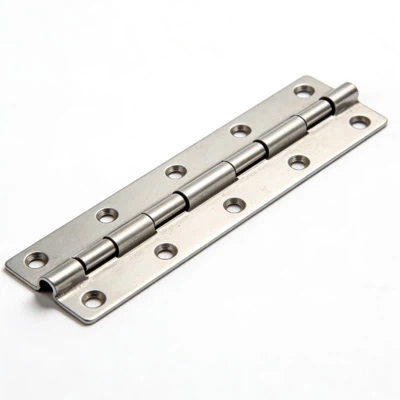
Hey there! As a supplier of long size piano hinges, I often get asked whether these hinges can be used on patio doors. It's a great question, and in this blog post, I'm gonna break down everything you need to know about using long size piano hinges for your patio doors.
What Are Long Size Piano Hinges?
First things first, let's talk about what long size piano hinges are. These are continuous hinges that run the full length of the door or the object they're attached to. They're called "piano hinges" because they were originally used in pianos to support the lid. They're usually made of materials like steel, which is strong and durable.
One of the main advantages of long size piano hinges is their strength. Since they cover the entire length of the door, they distribute the weight evenly. This helps to prevent sagging, which is a common problem with patio doors over time. Another benefit is the smooth operation. Piano hinges typically offer a very smooth and consistent opening and closing motion, which can enhance the overall user experience.
Can They Be Used on Patio Doors?
The short answer is yes, long size piano hinges can be used on patio doors. But there are a few things you need to consider before making the decision.
1. Weight and Size of the Patio Door
The weight and size of your patio door are crucial factors. Long size piano hinges are available in different load capacities. You need to make sure that the hinge you choose can support the weight of your patio door. If the door is very heavy, you might want to go for Steel Piano Hinges Heavy Duty. These heavy - duty hinges are designed to handle more weight and provide better stability.
For example, if you have a large, solid wood patio door, it's gonna be heavier than a door made of aluminum or vinyl. In this case, a heavy - duty piano hinge would be a better choice to ensure that the door opens and closes smoothly and doesn't sag over time.
2. Material Compatibility
The material of the patio door and the hinge should be compatible. Most patio doors are made of materials like wood, aluminum, or vinyl. Steel is a popular choice for piano hinges because it's strong and can be finished to resist corrosion.
If you have an aluminum patio door, you need to make sure that the steel hinge won't cause any galvanic corrosion. Galvanic corrosion occurs when two different metals are in contact with each other in the presence of an electrolyte (like moisture). To prevent this, you can choose a Galvanized Continuous Hinge. The galvanized coating acts as a barrier between the steel hinge and the aluminum door, reducing the risk of corrosion.
3. Aesthetic Considerations
Patio doors are often a prominent feature of a home, so the appearance of the hinge matters. Long size piano hinges can be a great option from an aesthetic point of view because they offer a clean and continuous look. They can blend in well with the overall design of the door.
However, you need to choose the right finish for the hinge. You can get piano hinges in different finishes like black, bronze, or chrome. Make sure the finish matches the hardware and the style of your patio door.
Installation of Long Size Piano Hinges on Patio Doors
Installing long size piano hinges on patio doors is not overly complicated, but it does require some basic tools and a bit of patience.
Tools You'll Need
- Screwdriver (either Phillips or flat - head, depending on the screws)
- Drill
- Measuring tape
- Pencil
Steps for Installation
- Measure and Mark: First, measure the length of the patio door and mark the position where you want to install the hinge. Make sure the marks are straight and even.
- Drill Pilot Holes: Use a drill to make pilot holes at the marked positions. Pilot holes prevent the wood or other materials from splitting when you insert the screws.
- Attach the Hinge: Place the hinge on the marked position and align it with the pilot holes. Then, use a screwdriver to insert the screws and secure the hinge to the door.
- Attach the Other Side: Repeat the process on the frame of the patio door to attach the other side of the hinge.
Advantages of Using Long Size Piano Hinges on Patio Doors
- Enhanced Durability: As mentioned earlier, long size piano hinges distribute the weight evenly, which reduces stress on the door and the hinge itself. This can significantly extend the lifespan of your patio door.
- Improved Security: Since the hinge runs the full length of the door, it provides better security. It's more difficult for someone to force open a door with a long size piano hinge compared to a regular hinge.
- Smooth Operation: The smooth opening and closing motion of piano hinges make using the patio door a breeze. You won't have to worry about the door sticking or making loud noises.
Other Types of Hinges for Patio Doors
While long size piano hinges are a great option, there are other types of hinges that you might also consider for your patio doors.
Steel Strap Hinge
Steel Strap Hinge is another type of continuous hinge. It's similar to a piano hinge but might have a different design and load - bearing capacity. Steel strap hinges can be a good alternative if you're looking for a hinge with a different aesthetic or if you have specific installation requirements.
Conclusion
So, to sum it up, long size piano hinges can definitely be used on patio doors. They offer many benefits like enhanced durability, smooth operation, and improved security. But you need to consider factors like the weight and size of the door, material compatibility, and aesthetic preferences before making a decision.
If you're in the market for long size piano hinges for your patio doors or have any questions about our products, feel free to reach out. We're here to help you find the perfect hinge solution for your needs. Whether you need a heavy - duty hinge for a large door or a hinge with a specific finish, we've got you covered. Let's start a conversation and see how we can make your patio door experience even better.


References
- General knowledge about door hinges and patio door installation.
- Industry standards and best practices for hinge selection and use.