Hey there! I'm a supplier of loader fork tines, and I often get asked about the special requirements for transporting these things. So, I thought I'd write this blog to share what I've learned over the years.
First off, let's talk about why transporting loader fork tines needs some special attention. Loader fork tines are heavy-duty equipment, and they're not your average items you can just toss in the back of a truck. They're made of high - strength steel, which means they're pretty hefty. Also, their shape can be a bit awkward, with long, pointed tines that can pose a safety risk if not handled properly.
Packaging and Protection
One of the most important requirements for transporting loader fork tines is proper packaging. You can't just send them out bare. I've seen too many cases where the tines get damaged during transit because they weren't packaged well.
We usually wrap the tines in a thick layer of protective material, like heavy - duty plastic or rubber padding. This helps prevent scratches, dents, and other surface damages. For the tips of the tines, we use special caps. These caps not only protect the sharp ends from getting bent or chipped but also reduce the risk of injury to the people handling the tines during loading and unloading.
Another thing to consider is the overall stability of the package. We use strong straps or bands to secure the tines together. This keeps them from shifting around during transportation, which could lead to damage or even an accident if they fall off the vehicle.
Weight and Size Considerations
Loader fork tines come in different sizes and weights. Some are small and lightweight, while others can be massive. When it comes to transportation, you need to know the exact weight and dimensions of the tines you're shipping.
Most transportation companies have weight limits for different types of vehicles. If your tines are too heavy, you might need to use a larger, more powerful truck or even split the shipment into multiple loads. This is crucial not only for the safety of the transport but also to comply with local traffic regulations.
The size of the tines also matters. Long tines can be a challenge to transport, especially if they exceed the legal length limits on the roads. In such cases, you might need to use special trailers or take extra precautions, like using warning signs to indicate the extended length of the load.
Loading and Unloading
Loading and unloading loader fork tines require some skill and the right equipment. You can't just rely on manpower to lift these heavy items. We use forklifts or cranes to handle the tines safely.
When loading, it's important to place the tines in a stable position on the vehicle. We make sure they're centered and balanced to prevent the vehicle from tipping over. Also, we use proper lifting points on the tines to avoid any damage during the lifting process.
Unloading is just as crucial. The same safety rules apply. We use the same equipment to carefully remove the tines from the vehicle and place them in the desired location.
Transportation Mode
There are different modes of transportation you can choose from when shipping loader fork tines. The most common ones are trucks, trains, and ships.
Trucks are the most flexible option. They can deliver the tines directly to the customer's location, which is great for local or regional shipments. However, trucks have their limitations in terms of weight and distance. For long - distance or international shipments, trains and ships are better options.
Trains can carry large volumes of heavy cargo, and they're more fuel - efficient than trucks. Ships are ideal for overseas shipments. But both trains and ships require additional handling at the ports or rail yards, which means you need to coordinate with different logistics providers.
Safety Regulations
Safety is always a top priority when transporting loader fork tines. There are many safety regulations that you need to follow, both locally and internationally.
For example, in the United States, the Department of Transportation (DOT) has strict rules about the transportation of heavy and oversized loads. These rules cover things like proper lighting, warning signs, and escort vehicles for certain types of shipments.
Internationally, different countries have their own sets of regulations. If you're shipping loader fork tines overseas, you need to do your research and make sure you comply with all the relevant laws and regulations in the destination country.
Insurance
It's also a good idea to get insurance for your loader fork tines during transportation. Accidents can happen, and if your tines get damaged or lost in transit, insurance can help cover the costs.
When choosing an insurance policy, make sure it covers all the potential risks, including damage from accidents, theft, and natural disasters. You should also read the fine print carefully to understand the terms and conditions of the policy.
Our Offerings
As a supplier of loader fork tines, we've got a wide range of products to meet your needs. Whether you're looking for Track Loader Forks, Fork Attachments for Wheel Loaders, or Forks Attach To Wheel Loader Frames, we've got you covered.
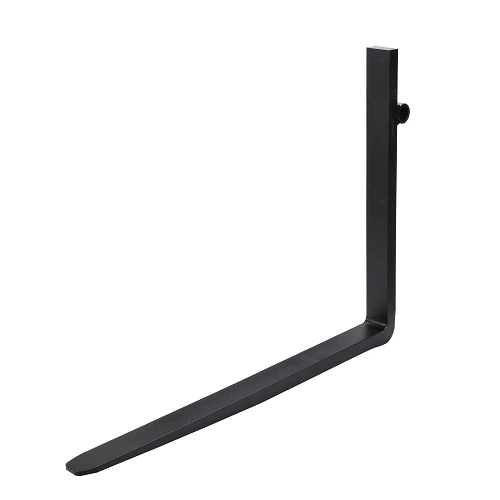
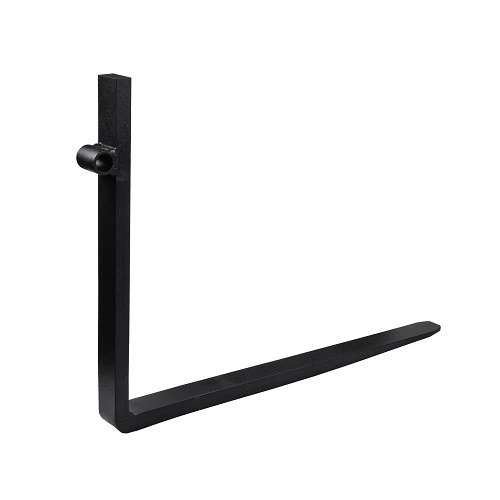
We take pride in our high - quality products and our commitment to safe and efficient transportation. We work closely with reliable logistics partners to ensure that your loader fork tines are delivered to you in perfect condition and on time.
If you're in the market for loader fork tines, don't hesitate to reach out to us. We're here to answer all your questions and help you find the right products for your specific requirements. Whether you're a small business or a large construction company, we can provide you with the best solutions at competitive prices.
Conclusion
Transporting loader fork tines has its own set of special requirements. From proper packaging and protection to following safety regulations and choosing the right transportation mode, there are many factors to consider. But with the right approach and a reliable supplier like us, you can ensure that your loader fork tines are transported safely and efficiently.
If you have any more questions about transporting loader fork tines or if you're interested in purchasing our products, feel free to get in touch. We're always happy to have a chat and discuss your needs.
References
- Department of Transportation (DOT) regulations
- Industry best practices for heavy equipment transportation