



Cold Metal Stamping
Cold metal stamping, a widely utilized forming technique, stands in contrast to hot metal stamping. This process operates without heating materials, relying instead on mechanical pressure to reshape metal sheets into desired configurations. As a cold-forming method, it transforms flat metal stock into specific shapes or structures entirely at room temperature. The majority of metal components available in commercial markets owe their existence to this efficient approach. By harnessing controlled force, manufacturers achieve precise plastic deformation in materials like steel or aluminum, producing consistent results across high-volume batches.
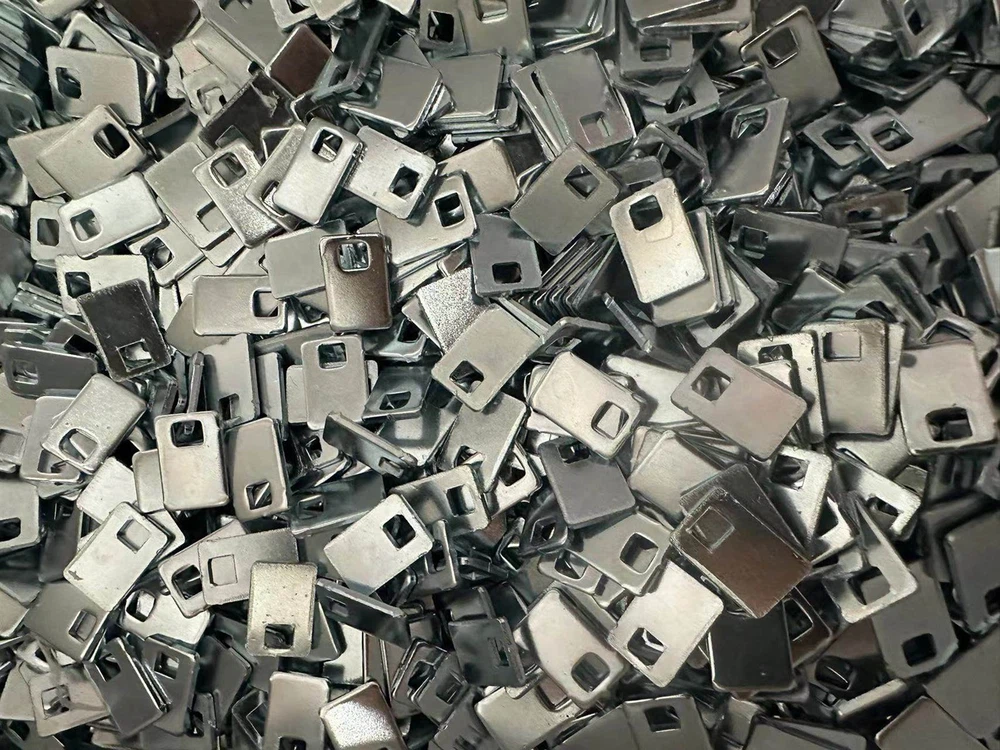
The raw materials of stamping parts are also very wide, the most common are steel, stainless steel, aluminum, copper, brass and so on. They can be treated with various surface treatments to achieve anti-rust and aesthetic effects. Such as galvanizing, powder coating, painting, nickel plating, anodizing, etc.
Drawing Design & Confirm
Get drawings from customers, or design drawings according to customers' detail requests or sample.
The two parties confirm the details of the drawings and product raw materials, surface treatment, etc.

Price & Order
Quote and confirm order quantity, specify all the details including trade terms, payment terms, type of package, etc.

Tooling Design & Manufacturing
Design and Make tooling according to the confirmed drawing, do the modification if needed while testing.

Sample Approval
Make first samples and inspect them according to the drawing strictly.
Send to the customer for approval after internal approval.

Production & Shipping
Strictly produce the goods as per the drawings and first samples.
Packed well after final inspection and ship to customers.


What's Cold Metal Stamping
Cold metal stamping, a widely utilized forming technique, stands in contrast to hot metal stamping. This process operates without heating materials, relying instead on mechanical pressure to reshape metal sheets into desired configurations. As a cold-forming method, it transforms flat metal stock into specific shapes or structures entirely at room temperature. The majority of metal components available in commercial markets owe their existence to this efficient approach. By harnessing controlled force, manufacturers achieve precise plastic deformation in materials like steel or aluminum, producing consistent results across high-volume batches.
While effective for standard applications, cold metal stamping encounters limitations when crafting intricate three-dimensional parts. Its fundamental reliance on pressure-driven deformation restricts standalone use for complex geometries, necessitating integration with supplementary techniques. To overcome these constraints, industries frequently combine stamping with bending operations that create angular forms or stretching processes that elongate material sections. Such hybrid workflows enable the production of sophisticated components while maintaining the core advantages of speed and cost-efficiency inherent to cold-forming methodologies.
Benefits
Our cold metal stamping achieves metal deformation at ambient temperatures, granting it unique operational advantages.
- By eliminating heating processes, our cold metal stamping prevents dimensional inaccuracies caused by thermal expansion or contraction. The dies employed in room-temperature stamping retain their structural integrity over prolonged use, ensuring consistent product dimensions across manufacturing cycles. This stability stems from the absence of thermal stress that typically degrades tooling in high-temperature environments.
- Superior surface quality further distinguishes our cold-formed metal components. Unlike hot stamping methods, which expose materials to oxidation and decarburization risks during heating, cold-working preserves the metal's original surface properties. The finish quality directly mirrors the die's polished surfaces-a critical factor enabled by the stamping tools' unwavering precision and smoothness under stable thermal conditions.
- Environmental efficiency amplifies our cold stamping's appeal. It generates no direct CO2 emissions during production, contrasting sharply with heat-intensive alternatives that rely on energy-consuming furnaces. Water consumption remains minimal since cooling systems need only manage friction-induced heat rather than counteract extreme temperatures.
- Waste management proves equally sustainable. Scrap metal from cold stamping requires no specialized treatment before recycling, allowing immediate remelting and reuse. This closed-loop approach reduces landfill dependency while aligning with global initiatives for cleaner industrial practices, positioning cold stamping as both economically viable and ecologically responsible.
Conclusion
Cold metal stamping transforms flat metal sheets into precise components without relying on heat. This process leverages controlled mechanical force to reshape materials at room temperature, sidestepping distortions caused by thermal expansion. Its tools maintain dimensional stability across production cycles, ensuring identical replication of parts while eliminating energy-intensive heating stages. Manufacturers achieve smooth surface finishes by pressing metals against highly polished dies, which resist wear and consistently transfer their refined textures to finished products.
The method inherently supports sustainable manufacturing practices. It avoids greenhouse gas emissions linked to high-temperature operations and minimizes water consumption by operating within ambient conditions. Scrap metal generated during stamping retains purity, allowing immediate reuse in melting facilities without costly purification. By merging precision with environmental stewardship, this approach meets modern demands for both technical excellence and ecological accountability in industrial production.
Hot Tags: cold metal stamping, China cold metal stamping manufacturers, suppliers, factory, Precision Stamping Parts, Stamping Hardware, Automotive Metal Stamping Parts, Other Metal Parts, Steel Copper Aluminum Stamping Parts, Sheet Metal Stamping Parts
Previous
Miniature Metal StampingYou Might Also Like


Send Inquiry