
When it comes to materials used in food contact, medical devices, or daily industrial settings, a critical question arises: Is stainless steel ok for your health? The short answer is yes-high-quality, food-grade stainless steel is safe for human health when manufactured and used correctly. Its unique alloy composition, corrosion resistance, and non-toxic properties make it a preferred choice for applications where health and safety are non-negotiable. However, safety depends on factors like material grade, manufacturing standards, and compliance with global health regulations-areas where JOYEAR Metalwork excels.
For over 15 years, JOYEAR has specialized in producing health-compliant stainless steel components, adhering to strict global standards to ensure their products pose no health risks. As a family-owned business founded in 2008, JOYEAR operates a 5,000+ square meter factory with 300+ skilled employees, holding ISO 9001:2015 (quality) and ISO 14001:2004 (sustainability) certifications. Their stainless steel products-including SS304 continuous hinges, precision stamping parts, and custom sheet metal fabrications-meet food-grade, medical, and industrial health standards (e.g., FDA, EU REACH, ISO 2330), making them safe for diverse applications.
In this guide, we'll explore the health safety of stainless steel, break down the science behind its non-toxicity, address common concerns, and show how JOYEAR's commitment to quality ensures their stainless steel components are health-compliant. By the end, you'll have complete confidence in stainless steel's safety-and why JOYEAR is a trusted partner for health-conscious industrial clients.
1. Why Stainless Steel Is Safe for Health: The Science Behind It
Stainless steel's safety stems from its chemical composition and inherent properties. Unlike some metals (e.g., lead, cadmium), stainless steel is non-toxic, corrosion-resistant, and does not leach harmful substances under normal use conditions.
1.1 Core Composition: Non-Toxic Alloys
Stainless steel is primarily composed of iron, chromium (10.5%+), nickel (in austenitic grades), and small amounts of other elements (molybdenum, carbon). These elements are safe for human contact when used in approved ratios:
- Chromium: Forms a protective oxide layer on the surface, preventing corrosion and reducing the risk of leaching. Chromium is an essential trace mineral for human health (supports insulin function), and the small amounts present in stainless steel do not pose risks.
- Nickel: Adds ductility and corrosion resistance (e.g., 8–10% in SS304/316). While some people have nickel allergies, food-grade stainless steel leaches negligible amounts (well below EU and FDA limits) that rarely trigger reactions.
- Molybdenum: Enhances corrosion resistance (in SS316) and is non-toxic in trace amounts.
JOYEAR strictly controls alloy ratios in their stainless steel products. For example, their SS304 continuous hinges use 18% chromium and 8% nickel-within the safe range for food and industrial contact. Every batch undergoes spectrometer analysis to verify element concentrations, ensuring no harmful impurities.
1.2 Corrosion Resistance = Reduced Leaching
Stainless steel's passive oxide layer (formed by chromium reacting with oxygen) acts as a barrier, preventing the metal from corroding or leaching into food, water, or the environment. This layer is self-healing: if scratched, it quickly reforms, maintaining protection.
In contrast, low-quality steel or non-stainless metals rust and leach iron, lead, or other toxins. JOYEAR's stainless steel components undergo 500+ hours of salt spray testing to confirm corrosion resistance, ensuring they remain safe even in humid or harsh industrial environments.
1.3 Compliance with Global Health Standards
Safe stainless steel must meet strict regulations for leaching and toxicity:
- FDA (U.S.): 21 CFR Part 175.300 for food-contact materials, limiting heavy metal leaching.
- EU REACH: Restricts hazardous substances (e.g., lead, cadmium) in consumer and industrial products.
- ISO 45001: Ensures workplace safety for industrial components.
JOYEAR's stainless steel products comply with all these standards. Their custom sheet metal fabrications for food processing equipment meet FDA requirements, while their precision stamping parts adhere to REACH limits for medical and electronics use.
2. Addressing Common Health Concerns About Stainless Steel
Despite its safety, some myths and concerns persist. Below are evidence-based responses to the most frequent questions:
2.1 Does Stainless Steel Leach Nickel or Chromium?
In normal use (e.g., food contact, industrial handling), stainless steel leaches only trace amounts of nickel and chromium-well below toxic thresholds. Studies by the World Health Organization (WHO) show that leaching from food-grade stainless steel is 10–100x lower than safe daily intake limits.
JOYEAR's testing confirms this: their SS304 forks and hinges leach less than 0.01mg/kg of nickel per day-far below the EU's 0.5mg/kg limit. For nickel-sensitive individuals, JOYEAR offers low-nickel ferritic stainless steel (e.g., 430) as a custom option.
2.2 Is Stainless Steel Safe for Food Storage/Cooking?
Yes-food-grade stainless steel (SS304, SS316) is the gold standard for cookware, food containers, and processing equipment. It does not react with acidic (e.g., tomatoes, vinegar) or alkaline foods, and it resists bacterial growth (non-porous surface).
JOYEAR supplies stainless steel components to food processing clients, including conveyor belts and equipment brackets. These parts are easy to sanitize, meeting FDA hygiene standards and reducing the risk of foodborne illness.
2.3 Are Industrial-Grade Stainless Steel Components Safe?
Industrial stainless steel (e.g., used in forklifts, construction) is equally safe for workers and the environment, provided it meets quality standards. JOYEAR's stainless steel forklift components are designed to avoid sharp edges or corrosion that could lead to metal dust inhalation or skin contact risks. Their SS304 continuous hinges have smooth, sealed surfaces that prevent rust particles from entering the air or touching skin.
3. JOYEAR's Health-Compliant Stainless Steel Products
JOYEAR's commitment to health safety is embedded in every stage of production-from material sourcing to finishing. Below are key products that exemplify their health-compliant approach:
3.1 SS304/316 Continuous Hinges
- Health Application: Used in food processing facilities, medical cleanrooms, and marine equipment.
- Safety Features: Corrosion-resistant (no leaching), smooth surfaces (easy to sanitize), and compliance with FDA/REACH standards.
- Client Impact: A European food packaging firm replaced carbon steel hinges with JOYEAR's SS304 continuous hinges, eliminating rust contamination risks and passing FDA audits with zero violations.
3.2 Precision Stamping Parts for Medical/Electronics
- Health Application: Medical device enclosures, electronics clips for healthcare equipment.
- Safety Features: Lead-free, low-nickel options, and tight tolerances to prevent particle shedding.
- Client Impact: A medical device manufacturer uses JOYEAR's copper alloy precision stamping parts (paired with stainless steel) for diagnostic tools, meeting ISO 13485 biocompatibility standards.
3.3 Custom Food-Grade Sheet Metal Fabrications
- Health Application: Food processing equipment frames, storage containers, and conveyor components.
- Safety Features: Food-grade SS304/316, weld-free designs (to avoid bacteria traps), and passivation treatment (enhances corrosion resistance).
- Client Impact: A U.S. bakery used JOYEAR's custom stainless steel fabrications to build dough mixers, reducing cross-contamination risks and improving cleaning efficiency.
3.4 Stainless Steel Forklift Components
- Health Application: Forklifts used in food warehouses, pharmaceutical facilities.
- Safety Features: Non-porous surfaces (resist bacteria), corrosion-resistant (no rust transfer to goods), and compliance with industrial hygiene standards.
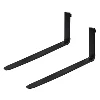
- Client Impact: A pharmaceutical logistics firm uses JOYEAR's stainless steel telehandler shaft forks to transport drug containers, ensuring no metal contamination during handling.
4. How JOYEAR Ensures Stainless Steel Health Safety
JOYEAR's health-compliant products are not accidental-they result from rigorous processes and quality control:
4.1 Strict Material Sourcing
- JOYEAR sources stainless steel from certified suppliers, with material certificates (MTC) verifying compliance with food-grade/medical standards.
- Rejects low-quality stainless steel with high impurity levels (e.g., lead, cadmium) that could pose health risks.
4.2 Rigorous Testing & Quality Control
- Leaching Tests: Every batch of food-contact components undergoes migration testing (per FDA 21 CFR 175.300) to ensure no harmful substances leach into food simulants.
- Corrosion Testing: 500+ hours of salt spray testing for stainless steel parts, ensuring no rust or leaching in harsh environments.
- Dimensional Inspection: Prevents sharp edges or gaps that could trap bacteria or shed particles.
4.3 Compliance with Health Standards
- ISO 9001:2015 (quality management) ensures consistent production of safe components.
- ISO 14001:2004 (sustainability) reduces environmental toxins that could indirectly impact health.
- FDA, REACH, and ISO 13485 (medical) certifications for application-specific products.
4.4 Transparent Documentation
JOYEAR provides clients with full traceability: material certificates, test reports, and compliance documents-critical for industries like food and medical, where health audits are mandatory.
5. How to Choose Health-Safe Stainless Steel Components
To ensure stainless steel is safe for your application, follow JOYEAR's expert recommendations:
5.1 Select the Right Grade
- Food/Medical: SS304 (general use) or SS316 (harsher environments, saltwater).
- Nickel Allergies: Ferritic stainless steel (430) or low-nickel duplex grades.
- Industrial: SS304 for dry environments, SS316 for humid/chemical-exposed areas.
5.2 Verify Compliance
- Ask for material certificates (MTC) and test reports (leaching, corrosion).
- Ensure the supplier meets global standards (FDA, REACH, ISO).
5.3 Inspect Manufacturing Quality
- Avoid components with sharp edges, weld gaps, or rust spots.
- Choose smooth, easy-to-clean surfaces for food/medical use.
5.4 Partner with a Trusted Supplier
JOYEAR's 15+ years of health-compliant manufacturing, transparent processes, and custom solutions make them the ideal partner for safety-focused clients.
6. Final Thoughts: Stainless Steel Is a Safe, Reliable Choice
Is stainless steel ok for your health? Absolutely-when it's high-quality, properly manufactured, and compliant with global standards. Its non-toxic composition, corrosion resistance, and versatility make it indispensable for food, medical, and industrial applications where health safety is critical.
JOYEAR Metalwork takes stainless steel safety a step further, integrating health compliance into every product. Their SS304/316 continuous hinges, precision stamping parts, and custom fabrications are designed to protect both users and end consumers-proving that industrial performance and health safety can go hand in hand.
Ready to source health-compliant stainless steel components? Contact JOYEAR today:
- Website: https://www.joyearmetalwork.com/
- Phone: +86 15957487288
- Email: cici@joyearmetalwork.com
Your operations deserve materials that are safe, durable, and compliant-and JOYEAR delivers exactly that.